
What Is Mitoma Herbal Tea?
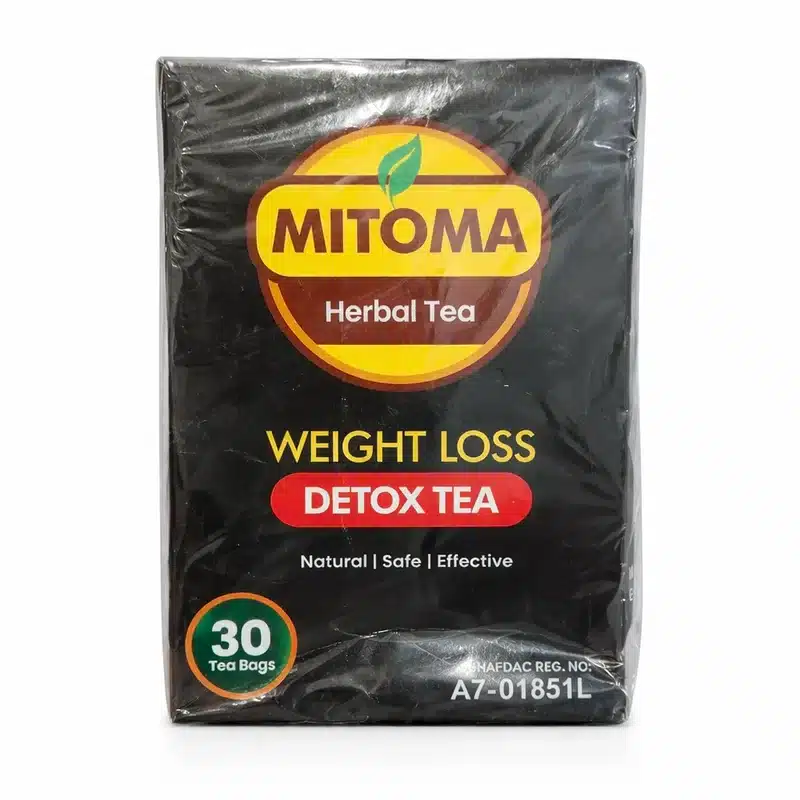
Mitoma Herbal Tea is a herbal wellness tea made from nine plant ingredients, produced by Destma Wellness and supplied internationally by Recs-Medix Natural Solutions. Labelled a Weight Loss Detox Tea on its packaging, it is intended as a daily herbal cup to support a weight-management routine and everyday digestive comfort within a balanced lifestyle.
Demand for natural, plant-based wellness options keeps growing, and Mitoma sits in this space as a daily herbal tea rather than a stimulant slimming product. The blend brings together herbs traditionally used for digestion and everyday comfort, with no senna or cascara listed among its ingredients. It is produced by Destma Wellness, marketed by Maxright, and carries the NAFDAC registration number A7-101851L on the front panel.
What Type of Product Is Mitoma Herbal Tea?
Mitoma is a NAFDAC-registered herbal food supplement and wellness tea, supplied as 30 tea bags per box, each holding a blend of nine plant ingredients chosen for digestive and weight-management support. It is not a pharmaceutical product, a prescription medicine or a medical treatment for obesity.
It is intended to complement a healthy, calorie-aware diet and regular physical activity as part of a structured routine, not to replace them. This is a dietary supplement, not a medicine. It is intended to support general health and wellbeing, not to diagnose, treat, cure, or prevent any disease.
How Does Mitoma Herbal Tea Support Weight Management and Digestion?
Mitoma combines herbs that are traditionally used to support digestion and a weight-management routine. Green tea contributes naturally occurring polyphenols and a small amount of caffeine, while digestive herbs such as peppermint, fennel and caraway are traditionally used to help ease bloating — so the daily cup can feel comfortable alongside a calorie-aware diet and active lifestyle.
It is best understood as a supportive part of a healthy routine rather than a standalone weight solution. These statements have not been evaluated by the FDA. This product is not intended to diagnose, treat, cure, or prevent any disease.
What Are the Key Benefits of Mitoma Herbal Tea?
- Supports a healthy weight-management routine — used alongside a balanced diet and regular activity
- Supports everyday digestive comfort — peppermint, fennel and caraway are traditionally used to help ease bloating and gas
- Contributes to appetite comfort — lemon balm and liquorice are traditionally associated with digestive calm
- Provides plant polyphenols — green tea and other herbs contribute naturally occurring polyphenols
- A daily herbal cup with no senna or cascara listed among the ingredients
- Made for adults who prefer a plant-based daily wellness tea
- NAFDAC registered — Reg. No. A7-101851L
What Are the Ingredients in Mitoma Herbal Tea?
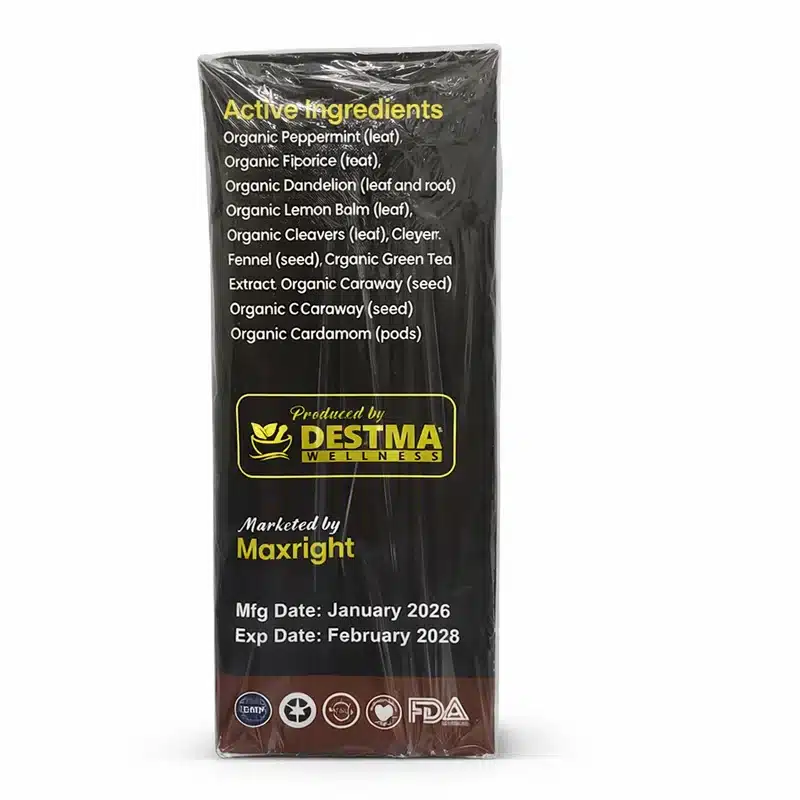
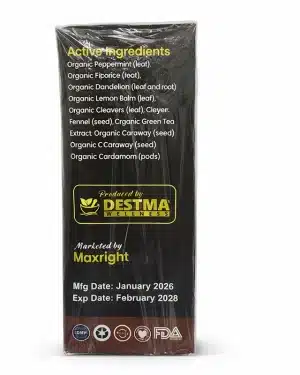
Mitoma contains nine plant ingredients listed on the packaging as organic: peppermint, liquorice, dandelion, lemon balm, cleavers, fennel, green tea extract, caraway and cardamom. Individual ingredient quantities are not stated on the supplied product packaging.
Green Tea Extract (Camellia sinensis)
Green tea contributes naturally occurring polyphenols and may contain a small amount of caffeine, and is widely used in everyday wellness blends.
Dandelion (Taraxacum officinale)
Dandelion has a long history of traditional use in herbal teas and is included here to round out the digestive blend.
Peppermint (Mentha piperita)
Peppermint is widely recognised for digestive comfort and is traditionally used to help ease bloating and gas.
Lemon Balm (Melissa officinalis)
Lemon Balm is a mint-family herb traditionally used for digestive calm and a pleasant, mild aroma.
Cleavers (Galium aparine)
Cleavers is a traditional Western herb long included in herbal wellness blends.
Liquorice Root (Glycyrrhiza glabra)
Liquorice Root is traditionally used for digestive soothing and adds natural sweetness; it contains glycyrrhizin, so please read the precautions below.
Fennel (Foeniculum vulgare)
Fennel is a carminative herb traditionally used to help ease gas and bloating.
Caraway (Carum carvi)
Caraway is a traditional European spice valued for its digestive properties.
Cardamom (Elettaria cardamomum)
Cardamom is an aromatic spice from the ginger family used for digestive support and natural flavour.
Mitoma Herbal Tea Ingredient Summary
The blend is made up of the nine plant ingredients below, listed on the packaging as organic. Individual ingredient quantities are not stated on the supplied product packaging, so the table confirms each ingredient and its traditional supportive role rather than amounts.
| Ingredient | Plant Part Used | Traditional Supportive Role |
|---|---|---|
| Peppermint (Mentha piperita) | Leaf | Digestive comfort, bloating relief |
| Liquorice (Glycyrrhiza glabra) | Root | Digestive soothing, natural sweetness |
| Dandelion (Taraxacum officinale) | Leaf & Root | Traditional use in herbal blends |
| Lemon Balm (Melissa officinalis) | Leaf | Digestive calm, mild aroma |
| Cleavers (Galium aparine) | Leaf | Traditional herbal blend ingredient |
| Fennel (Foeniculum vulgare) | Seed | Carminative, gas and bloat relief |
| Green Tea Extract (Camellia sinensis) | Leaf extract | Plant polyphenols, naturally occurring caffeine |
| Caraway (Carum carvi) | Seed | Digestive support |
| Cardamom (Elettaria cardamomum) | Pods | Digestive support, natural flavour |
Serving: 1 tea bag per cup. Individual ingredient quantities are not stated on the supplied product packaging. NAFDAC Reg. No. A7-101851L. Produced by Destma Wellness; marketed by Maxright. This product is not intended to diagnose, treat, cure, or prevent any disease.
How Do You Use Mitoma Herbal Tea?
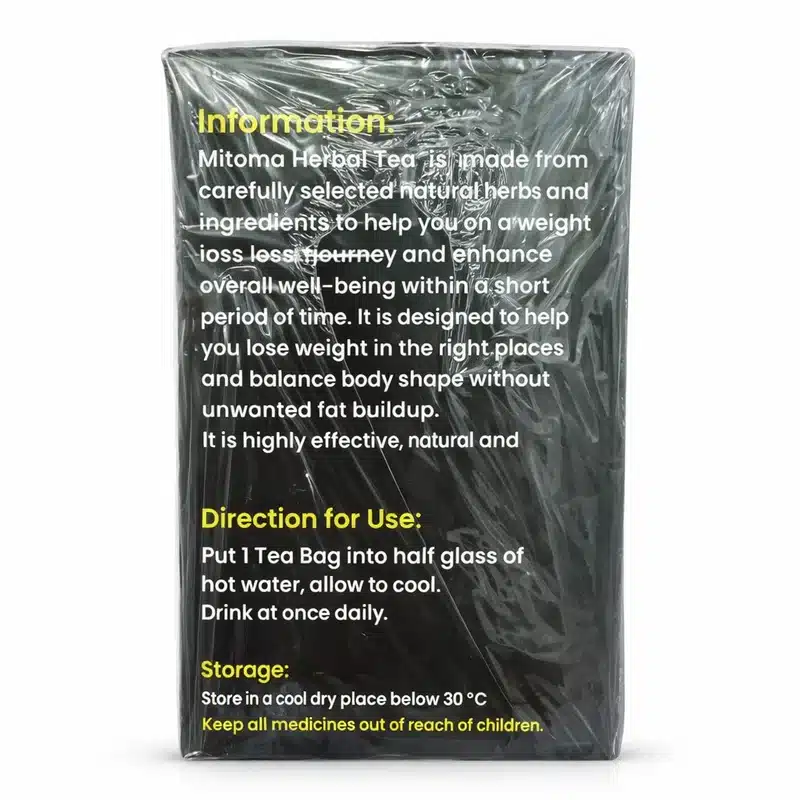
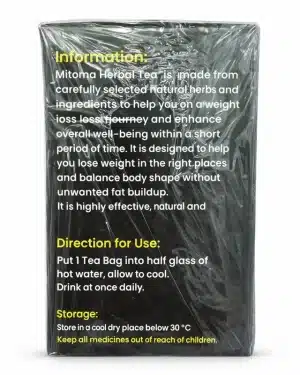
Following the label directions, place one tea bag in half a glass of hot water, allow it to cool, and drink once daily. Because the blend contains green tea extract, which may contain naturally occurring caffeine, those who are sensitive to caffeine may prefer to avoid drinking it late in the evening.
How Do You Get the Best From Mitoma Herbal Tea?
Use Mitoma only as directed on the label, alongside a balanced, calorie-aware diet and regular physical activity. Because the blend contains liquorice root, consult a qualified healthcare professional before prolonged use. A herbal tea is there to support a healthy routine — it works best as one small daily habit within an overall balanced lifestyle.
Results vary between individuals. Supplements are intended to support a healthy diet and lifestyle, not to replace them.
Who Is Mitoma Herbal Tea For?
- Adults following a weight-management routine alongside diet and activity
- People who want a daily herbal tea with no senna or cascara listed
- Those seeking everyday digestive comfort
- Wellness users who prefer plant-based herbal options
Who Should Avoid Mitoma Herbal Tea or Check With a Doctor First?
Mitoma is intended for healthy adults. Avoid it, or speak to a healthcare professional first, if you are pregnant or breastfeeding, under 18, or have high blood pressure, a heart or kidney condition, or low potassium — because the blend contains liquorice root (glycyrrhizin), which can affect blood pressure and potassium, especially with prolonged or high use.
- Pregnant or breastfeeding women
- Anyone under 18 years of age
- People with high blood pressure, heart disease or kidney conditions — liquorice (glycyrrhizin) may raise blood pressure and cause fluid retention
- People with low potassium (hypokalaemia)
- People taking corticosteroids, diuretics, blood-pressure medication or other regular medication — herbs may interact
- Anyone with a known allergy to plants in the Asteraceae family (which includes dandelion)
Always consult a qualified healthcare professional before starting any new herbal supplement, particularly if you have an underlying health condition or take prescription medication.
What Does Mitoma Herbal Tea Not Do?
- It is not a treatment or cure for obesity, metabolic disorders or any medical condition
- It does not replace a calorie-controlled diet or a medical weight-loss programme
- It does not deliver instant results — consistent use within a healthy routine is needed
- It is not a meal replacement
- It is not a medicine and cannot replace prescription medication
How Should You Store Mitoma Herbal Tea?
Store Mitoma in a cool, dry place below 30°C, away from direct sunlight and moisture, and keep it out of reach of children, as directed on the label. Check the expiry date printed on the pack before use, and do not use the product if the packaging seal is broken or damaged on receipt.
What Will You Receive When You Order Mitoma Herbal Tea?
When you order Mitoma Herbal Tea from Recs-Medix Natural Solutions, you receive one box of 30 herbal tea bags in its original sealed retail packaging, produced by Destma Wellness and marketed by Maxright. The front panel shows the NAFDAC registration number A7-101851L.
We do not sell repackaged or grey-market goods. All stock is sourced from verified suppliers and stored under appropriate conditions to preserve quality. If you have any concern about product authenticity on receipt, contact our customer support team immediately.
Why Buy Mitoma Herbal Tea From Recs-Medix Natural Solutions?
Recs-Medix Natural Solutions has supplied authentic herbal and natural health products to customers in Nigeria and abroad since 2017. We focus on authentic sourcing, careful storage and dispatch in original sealed packaging, backed by a knowledgeable wellness support team — not just order processing.
- Order online for local delivery across Lagos and Abuja
- DHL Express international shipping to the USA, UK, Canada, the EU and Australia
- Authentic sourcing from verified suppliers — original sealed packaging only
- Physical stores in Lagos and Abuja
- Naira and international payment options available
- Dedicated customer support via WhatsApp, phone and email
- Clear returns and refund policy — see our Returns & Refunds page
For delivery timeframes and costs by region, see our Shipping & Delivery page, or visit our Supplement Store FAQ. Questions before ordering? Contact us.
Related Herbal Wellness and Detox Teas
If you are comparing herbal wellness and detox teas, these options from our range support similar everyday goals. Each links to its own product page so you can review the ingredients and directions before choosing.
- 28 Days Detox Flat Tummy and Weight Loss Tea
- Flat Tummy Tea
- Fit Tea 28 Days Slimming Tea
- Healthgarde Flat Tummy Tea
Frequently Asked Questions – Mitoma Herbal Tea
Which herbal tea is best for belly fat and bloating?
No single tea targets fat in one area, and claims of spot fat-burning are not supported. Mitoma combines green tea with carminative herbs such as peppermint, fennel and caraway that are traditionally used to ease bloating, which can help the stomach feel more comfortable alongside a healthy diet.
Does Mitoma Herbal Tea have side effects?
Made from plant ingredients without synthetic laxatives, Mitoma is generally well tolerated by healthy adults used as directed. It contains liquorice root, so people with high blood pressure, heart, kidney or potassium concerns should be cautious and avoid prolonged use. If you experience any discomfort, discontinue use and consult a healthcare professional.
Is Mitoma a laxative tea?
No senna, cascara or other stimulant laxative is listed among the ingredients on the supplied label, so it is not a stimulant-laxative slimming tea. Note that the green tea extract may contain a small amount of naturally occurring caffeine.
Can I drink Mitoma Herbal Tea at night?
Mitoma contains green tea extract, which may contain a small amount of naturally occurring caffeine. People who are particularly sensitive to caffeine may prefer to avoid drinking it late in the evening.
Is Mitoma Herbal Tea NAFDAC registered?
Yes. The front panel shows NAFDAC registration No. A7-101851L. The product is produced by Destma Wellness and marketed by Maxright.
Does Recs-Medix ship Mitoma Herbal Tea internationally?
Yes. Recs-Medix ships internationally to the USA, UK, Canada, the EU, Australia and beyond via DHL Express, dispatched in discreet packaging. See our Shipping & Delivery page for current timeframes and costs by region.
Last updated: 23 June 2026



Reviews
There are no reviews yet.